
الشخصية العربية بين السواء والاضطراب في عصر تطبيقات الذكاء الاصطناعي وانعكاساتها على الأسرة والتعليم والاقتصاد
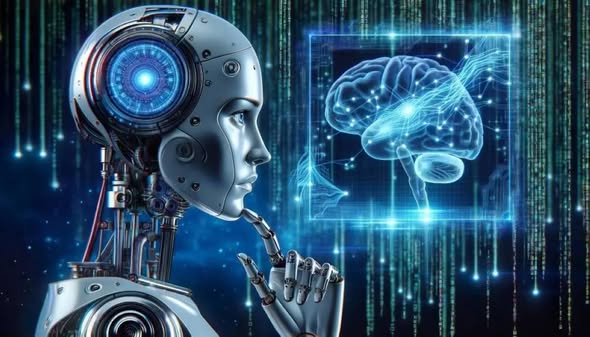
إعداد: البروفيسور علي حسن سلمان ناصر
دراسة نفسية–اجتماعية مستقبلية في ضوء التحول الرقمي
الفكرة المركزية
ينطلق البحث من سؤال رئيسي: هل يؤدي الانتشار المتسارع للذكاء الاصطناعي إلى تعزيز قدرات الفرد العربي واستقراره النفسي والاجتماعي، أم يمكن أن يسهم—في ظروف معينة—في ظهور أنماط جديدة من القلق والاعتماد الرقمي والعزلة واضطراب الهوية والعلاقات الأسرية؟ وكيف تنتقل هذه التأثيرات إلى التعليم والعمل والاقتصاد؟
المقصود بـالسواء النفسي ليس مجرد غياب المرض، وإنما قدرة الفرد على التكيف، واتخاذ القرار، وتنظيم الانفعالات، وبناء علاقات متوازنة، والمحافظة على الاستقلالية والمرونة النفسية. أما الاضطراب فلا ينبغي استخدامه لوصف كل تغير ناتج عن التكنولوجيا؛ بل يجب التفريق بين الضغوط والسلوكيات غير التكيفية وبين الاضطرابات النفسية التي تتطلب معايير تشخيصية متخصصة.
الفرضية الأساسية
يمكن بناء الدراسة على فرضية أن الذكاء الاصطناعي ليس عاملًا إيجابيًا أو سلبيًا بذاته؛ وإنما تتحدد آثاره من خلال طريقة الاستخدام، والعمر، والتعليم، والثقافة الرقمية، والبيئة الأسرية، والوضع الاقتصادي، وطبيعة العمل، ومستوى الرقابة والحوكمة.
وبذلك يمكن تصور سلسلة تأثير مترابطة:
الذكاء الاصطناعي → الفرد والشخصية → الأسرة → التعليم → سوق العمل → الإنتاجية والاقتصاد → المجتمع
مع وجود تأثير عكسي أيضًا؛ فالأسرة والمدرسة والاقتصاد والثقافة هي التي تحدد بدورها الطريقة التي يتعامل بها الإنسان العربي مع الذكاء الاصطناعي.
أولًا: الشخصية العربية والتحول النفسي
يستطيع الذكاء الاصطناعي أن يعزز المعرفة والثقة بالقدرة على الإنجاز، ويوفر وسائل للتعلم والإبداع وحل المشكلات. وفي المقابل، فإن الاعتماد المفرط عليه قد يثير أسئلة مهمة حول الاستقلال الفكري، والقدرة على اتخاذ القرار دون مساعدة آلية، ومفهوم الإنجاز الشخصي، والعلاقة بين الإنسان والآلة.
وفي مجال الصحة النفسية تحديدًا، تؤكد منظمة الصحة العالمية أهمية الجمع بين الابتكار والحوكمة والسلامة والإنصاف عند إدخال الذكاء الاصطناعي في المجالات الصحية.
وتزداد أهمية البعد الثقافي العربي؛ إذ تشير مراجعة حديثة حول استخدام الذكاء الاصطناعي في الصحة النفسية بمنطقة الشرق الأوسط وشمال أفريقيا إلى تحديات تتعلق بالملاءمة اللغوية والثقافية، ومنها الازدواجية اللغوية العربية وطريقة التعبير المحلية عن الضيق النفسي، مع أهمية بقاء الإشراف البشري في التطبيقات الحساسة.
ثانيًا: انعكاس الذكاء الاصطناعي على الأسرة العربية
قد تستفيد الأسرة من الذكاء الاصطناعي في التعليم المنزلي وتنظيم الحياة اليومية والوصول إلى المعلومات وتطوير مهارات الأبناء. لكن الإشكالية تظهر عندما يتحول الذكاء الاصطناعي من أداة مساعدة إلى بديل للعلاقة الإنسانية.
وهنا يمكن للبحث دراسة قضايا مثل تراجع الحوار بين الوالدين والأبناء، والخصوصية، وتكوين القيم، والاعتماد العاطفي على المساعدات الرقمية، وقدرة الوالدين على متابعة المحتوى الذي يتفاعل معه الطفل.
والسؤال المستقبلي المهم هو: من يشارك في تشكيل شخصية الطفل العربي: الأسرة والمدرسة فقط، أم الخوارزمية أيضًا؟
ثالثًا: التعليم
يمثل التعليم ربما أكثر المجالات حساسية. فالطالب يستطيع اليوم الحصول على الشرح والتلخيص والترجمة والأفكار والمساعدة في البحث والكتابة بسرعة غير مسبوقة.
لكن إذا استخدم الذكاء الاصطناعي بدلًا من التفكير، فقد تظهر مشكلة أعمق: ارتفاع القدرة على إنتاج الإجابة مع انخفاض القدرة على بنائها ذهنيًا بصورة مستقلة.
ولهذا تدعو إرشادات اليونسكو بشأن الذكاء الاصطناعي التوليدي في التعليم والبحث إلى مقاربة متمحورة حول الإنسان، مع الاهتمام بالخصوصية والاستخدام المناسب للعمر والتصميم التربوي المسؤول.
ومن هنا يمكن أن يقترح البحث نموذجًا عربيًا ينتقل من:
تعليم الطالب المعلومة
إلى:
تعليمه كيف يفكر، وكيف يسأل الذكاء الاصطناعي، وكيف يتحقق من إجاباته، وكيف يختلف معه، وكيف ينتج معرفة خاصة به.
رابعًا: الاقتصاد وسوق العمل
هنا يصبح الموضوع ذا أهمية استراتيجية للدول العربية، وبالأخص دول الخليج.
يشير صندوق النقد الدولي إلى أن الذكاء الاصطناعي يمكن أن يرفع الناتج المحلي غير النفطي لدول الخليج بنحو 1.7–2.8%، مع وجود فرص مهمة لزيادة الإنتاجية، لكن بالتوازي مع تحولات واضطرابات محتملة في سوق العمل.
وفي الإمارات تحديدًا، يشير تحليل صندوق النقد إلى فرص لزيادة الإنتاجية والتنويع الاقتصادي، مع ضرورة الاستمرار في إعادة تأهيل القوى العاملة ورفع مهاراتها لمواجهة تغير الوظائف ومتطلبات المهارات الجديدة.
وهذا يسمح للبحث بطرح مفهوم مهم أسميه:
«القلق الاقتصادي المرتبط بالذكاء الاصطناعي»
أي الحالة التي يعيش فيها الفرد بين إدراكه أن الذكاء الاصطناعي يمكن أن يزيد إنتاجيته، وخوفه في الوقت نفسه من أن يقلل قيمة بعض مهاراته أو يغير وظيفته.
نموذج مقترح للبحث
يمكن تقسيم الدراسة إلى ثمانية فصول: الإطار المفاهيمي للشخصية والسواء والاضطراب؛ الشخصية العربية في السياق الثقافي والاجتماعي؛ الذكاء الاصطناعي وإعادة تشكيل السلوك والهوية؛ الأسرة العربية؛ التعليم والجامعة؛ العمل والاقتصاد؛ دراسة ميدانية مقارنة في عدد من الدول العربية؛ ثم نموذج استراتيجي عربي لتحقيق التوازن النفسي والاجتماعي والاقتصادي في عصر الذكاء الاصطناعي.
وسيكون من المفيد أن تتضمن الدراسة الميدانية متغيرًا أساسيًا هو كثافة استخدام الذكاء الاصطناعي، ثم قياس علاقته بالاستقلالية في اتخاذ القرار، والقلق، والتفاعل الأسري، والتحصيل والتفكير النقدي، والأمن الوظيفي المدرك، والإنتاجية.
الخلاصة الفكرية المقترحة
يمكن أن تكون الرسالة الجوهرية للبحث:
التحدي الذي يواجه الشخصية العربية في عصر الذكاء الاصطناعي ليس في وجود الآلة الذكية، بل في قدرة الإنسان على المحافظة على استقلاله النفسي والفكري والقيمي وهو يستخدمها. فالمستقبل الأفضل ليس للإنسان الذي يرفض الذكاء الاصطناعي، ولا للإنسان الذي يعتمد عليه اعتمادًا كاملًا معه.
The Arab personality between equality and disorder in the era of artificial intelligence applications and their repercussions on the family, education and the economy
A future psycho-social study in the light of digital transformation
Prepared by: Professor Ali Hassan Salman Nasser
The central idea
The research starts from a key question: Does the rapid spread of artificial intelligence enhance the capabilities of the Arab individual and his psychological and social stability, or can it contribute – in certain circumstances – to the emergence of new patterns of anxiety, digital dependence, isolation, identity disorder and family relations? And how do these influences pass to education, work and the economy?
The intention of psychological equality is not just the absence of disease, but the individual’s ability to adapt, make decisions, organize emotions, build balanced relationships, and maintain psychological independence and flexibility. The disorder should not be used to describe every change caused by technology; rather, a distinction must be made between stress and non-adaptive behaviors and mental disorders that require specialized diagnostic criteria.
The basic hypothesis
The study can be based on the premise that artificial intelligence is not a positive or negative factor in itself; rather, its effects are determined by the method of use, age, education, digital culture, family environment, economic status, nature of work, and level of control and governance.
Thus, a coherent chain of influence can be visualized:
Artificial intelligence → individual and personality → family → education → labor market → productivity and economy → society
With an adverse effect as well; it is the family, school, the economy and the culture that in turn determine the way in which the Arab man interacts with artificial intelligence.
First: The Arab personality and psychological transformation
Artificial intelligence can enhance knowledge and confidence in the ability to achieve, and provide means to learn, create and solve problems. In contrast, over-reliance on it may raise important questions about intellectual independence, the ability to make decisions without machine assistance, the concept of personal achievement, and the relationship between man and machine.
Specifically in the field of mental health, the World Health Organization emphasizes the importance of combining innovation, governance, safety and equity when introducing artificial intelligence in health fields.
The importance of the Arab cultural dimension is increasing; a recent review on the use of artificial intelligence in mental health in the Middle East and North Africa indicates challenges related to linguistic and cultural appropriateness, including Arabic dual linguistics and the way local expression of psychological distress, with the importance of maintaining human supervision in sensitive applications.
Second: The reflection of artificial intelligence on the Arab family
The family may benefit from artificial intelligence in homeschooling, organizing daily life, accessing information, and developing children’s skills. But the problematicity emerges when artificial intelligence transforms from an aid to an alternative to the human relationship.
Here, the research can study issues such as the decline of dialogue between parents and children, privacy, value formation, emotional dependence on digital aid, and parents’ ability to follow the content the child interacts with.
The important future question is: who participates in shaping the personality of the Arab child: only the family and the school, or the algorithm as well?
Third: Education
Education is perhaps the most sensitive field. Today, the student can get explanation, summary, translation, ideas, help in research and writing at unprecedented speed.
But if artificial intelligence is used instead of thinking, a deeper problem may arise: the ability to produce the answer is high and the ability to build it mentally independently decreases.
That is why UNESCO’s guidelines on generative artificial intelligence in education and research call for a people-centred approach, with attention to privacy, age-appropriate use and responsible educational design.
Hence, the research can propose an Arabic model that moves from:
Teaching the student information
To:
Teaching him how to think, how to ask artificial intelligence, how to verify his answers, how he disagrees with him, and how to produce his own knowledge.
Fourth: Economy and the labor market
Here, the issue becomes of strategic importance to the Arab countries, especially the Gulf countries.
The International Monetary Fund points out that artificial intelligence can raise the non-oil GDP of the Gulf countries by about 1.7–2.8%, with significant opportunities to increase productivity, but in parallel with possible shifts and disruptions in the labor market.
In the UAE specifically, the IMF analysis indicates opportunities to increase productivity and economic diversification, with the need to continue to rehabilitate the workforce and raise its skills to face changing jobs and new skills requirements.
This allows the research to put forward an important concept I call:
“Economic concern associated with artificial intelligence”
That is, the situation in which an individual lives between his realization that artificial intelligence can increase his productivity, and at the same time his fear of devaluing some of his skills or changing his job.
Suggested research model
The study can be divided into eight chapters: the conceptual framework of personality, whether and disorder; the Arab personality in the cultural and social context; artificial intelligence and reshaping behavior and identity; the Arab family; education and university; work and economics; a comparative field study in a number of Arab countries; and then an Arab strategic model to achieve psychological, social and economic balance in the era of artificial intelligence.
It would be useful for a field study to include a fundamental variable that is the intensity of the use of artificial intelligence, and then measure its relationship with autonomy in decision-making, anxiety, family interaction, achievement and critical thinking, perceived job security, and productivity.
Suggested intellectual summary
The essential message of the research can be:
The challenge facing the Arab personality in the era of artificial intelligence is not in the existence of the intelligent machine, but in the ability of man to maintain his psychological, intellectual and value independence while using it. The best future is not for the person who rejects artificial intelligence, nor for the person who depends entirely on him, but for the person who is able to build a conscious complementary relationship with him.